Not sure if Personal Training is for you? New Offer!


I know at first the idea of Personal Training can seem a bit daunting to some people so why not take advantage of a one-off Taster Session*. At the discounted rate of just £20 for one hour you can have a great personalised workout with no obligation to sign up for anything more. If this is something you would like to do then contact me now on the Contact Us page. Why wait till New Year when you can start now?


Start-Now

*not valid for existing clients

Sporting Footprints and the Way of the Roses Challenge

I like a challenge and its always good to be able to raise money for a worthy cause when participating in one. A few years ago my brother set up a fundraising group called Sporting Footprints which runs alongside a registered charity called Sebastian’s Action Trust.

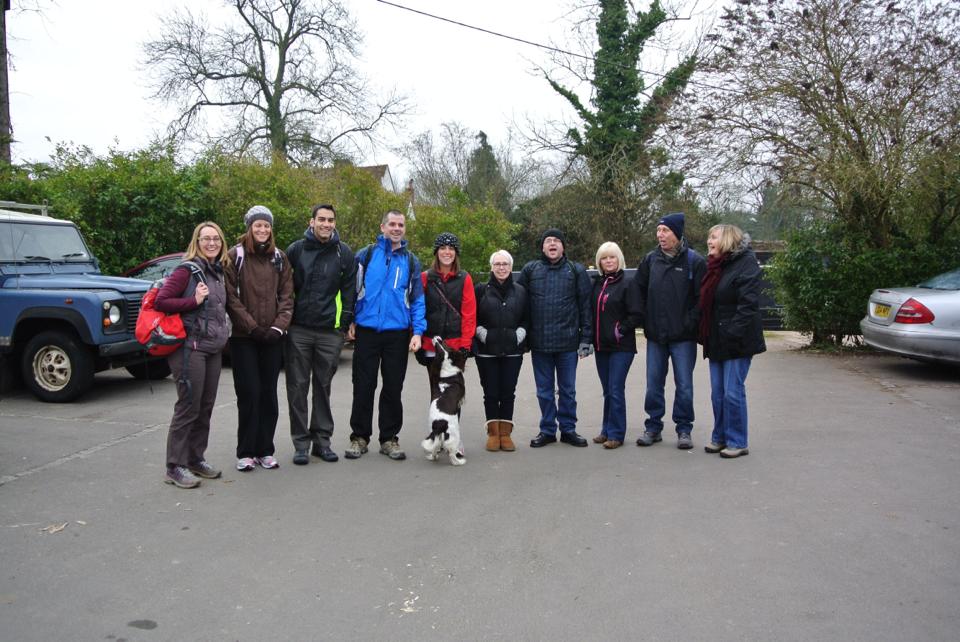
72656_166277046856546_1902306146_n 20 Mile Canal Walk
The aim of Sporting Footprints is to raise money by partaking in various challenges and fun days with any funds raised going directly to the families and children who stay at Bluebells Respite House (which is run by Sebastian’s Action Trust) in the form of tickets for sporting events, family days out, funding for music therapy, remembrance books and boxes or more recently supplied funding for a special switch which fits onto a seat allowing for a young girl to be able to navigate and communicate faster while out and about .

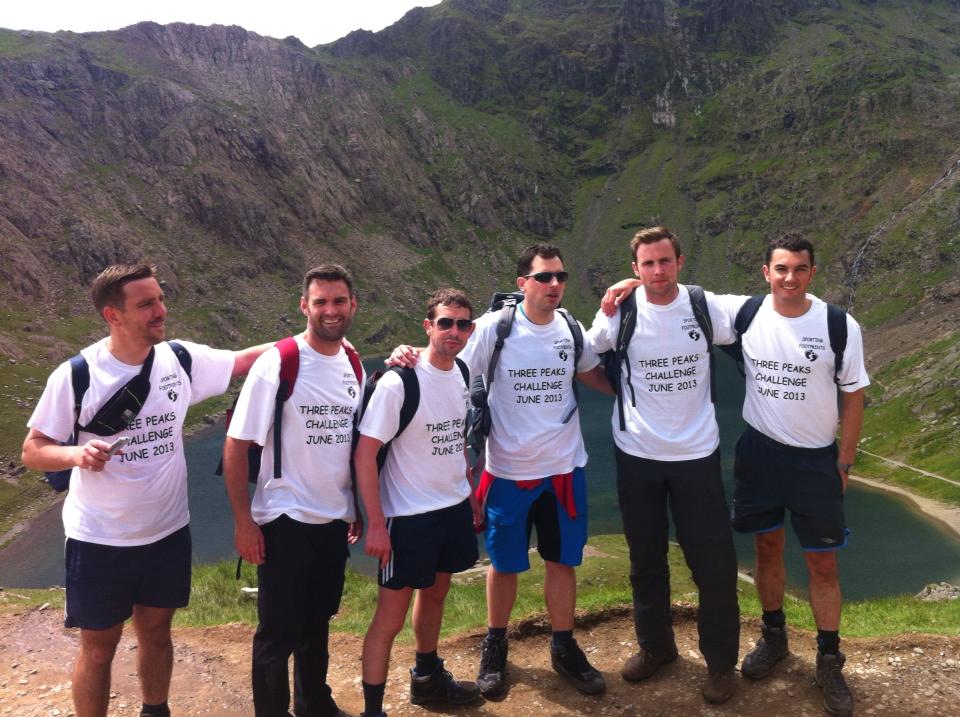
1010271_208898765927707_1459237400_n 3 Peaks Challenge


My nephews visit Bluebells House as they suffer from a rare genetic disorder called PVNH, this inspired my brother to set up Sporting Footprints.

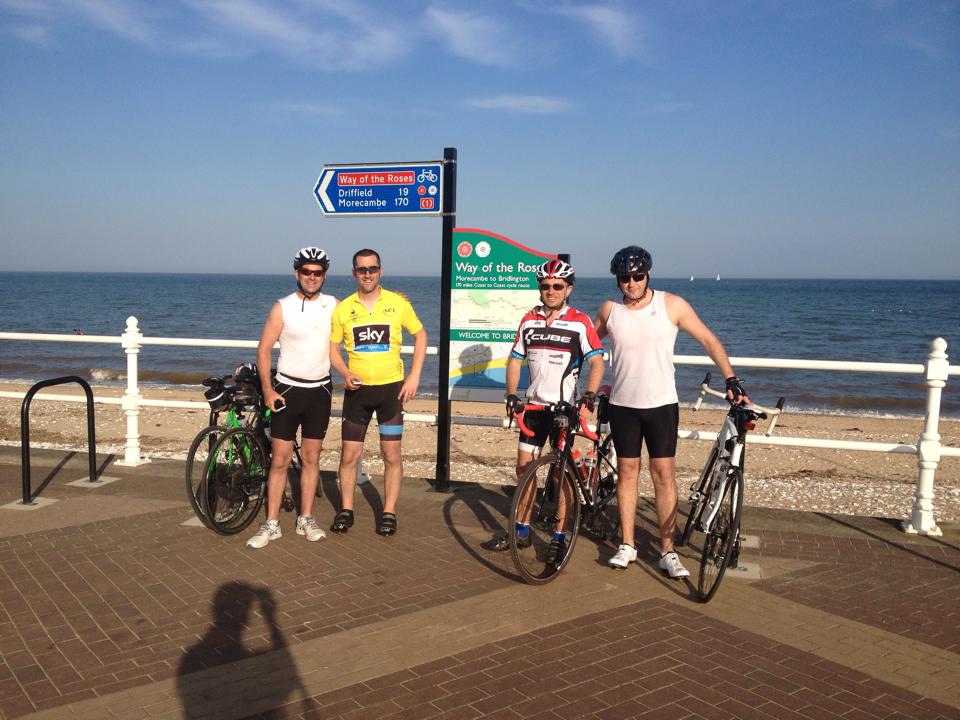
So far the challenges have included a 20 mile canal walk, the 3 Peaks Challenge which involved climbing Ben Nevis, Scafell Pike and Mt Snowdon in under 24 hours and the most recent cycling from the West-East coast of the UK, 170 miles in 2 days via an extremely hilly route called The Way of the Roses.

sfoot The Way of the Roses

Thousands of pounds have been raised to help these families and we look forward to the next challenge in 2015!

Below is the video of the latest challenge which I had the pleasure of partaking in. A great team effort, hard going but some truly stunning scenery along the way with lots of money raised….

Follow Sporting Footprints on Twitter: @SPFootprints
Like on Facebook: www.facebook.com/sporting.footprints.3


Time to get muddy!

headband

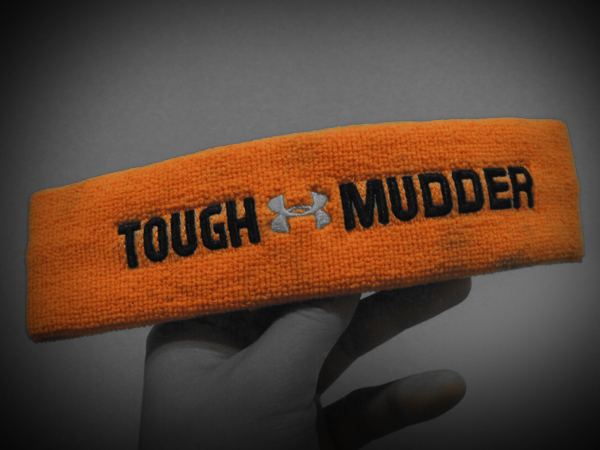
So I have organised a team to enter next years Tough Mudder, will  be my first time so looking forward to earning that orange headband. The team consists of friends, family and PT clients past and present. Watch this space…

Mud and Glory!

The real reason why our kids quit Sport?

I posted this a while ago on my Personal Training Facebook page but I think its such a great article and quite thought provoking, its worth looking at again. Written by Kathleen Noonan from Australia’s The Courier-Mail

kidssport

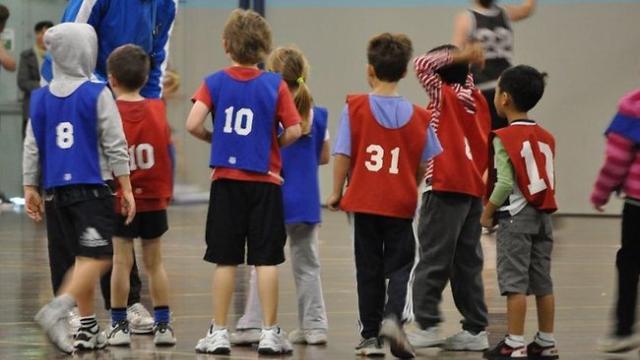
“WHAT do you reckon is one of the main reasons most kids quit sport? While you’re pondering, let’s absorb this stat from the US: Each year 20 million children register for baseball, soccer, football, hockey and other competitive sports; about 70 per cent of those will quit by age 13.

Also according to the National Alliance for Sports, these kids will never play those sports again. Never.

Pass another doughnut and plonk them down at the computer screen until it’s time to take them to hospital in a specially built and reinforced obese person’s ambulance. Never is an awfully long time.

While you are standing on the sidelines of the cricket/netball/hockey/rowing this morning before you drive off to another sideline on the other side of town, do you think your child will be among the 30 per cent who stick at it?

Well, going by research, if you are a yeller, probably not. Children hate mothers and fathers behaving aggressively on the sideline of junior sports events, especially their own.

So, how’s that new barracking rule working for you? You know the one where some sporting codes have introduced lollipops for parents to put in their mouths because their barracking became so out of hand and abusive.

I met a man in the butcher’s shop (where all good gossip happens) and he’s talking about his latest efforts coaching junior teams for his three kids – rugby, league and hockey. This is an intelligent, skilled, thoughtful junior coach out there in the nice suburbs of Brisbane.

“Every weekend I am called a f—wit and even a c—, on the sideline, in a carpark full of Mercedes and BMWs. Even in front of their kids.”

Parents. We’re just fantastic creatures, aren’t we? We tell our kids how much we do for them, driving them everywhere for sport, buy all the gear so they look like mini-professionals – 10-year-olds in $300 boots and top-line $150 compression gear “to reduce lactic acid and muscular fatigue” – and what’s it all about really?

If we’re honest, it’s ego. Not the kids’. The parents’ ego. Deep down, if we interrogate our motives, what starts off as wanting our children to be active and learn to love physical activity can sometimes morph into something else.

What’s all that hoopla about sons in the first XI and first XV stuff? Yes, it’s admirable to strive to sporting excellence. But when I first moved to Brisbane and realised actual grown-up men were standing around at a party talking and obsessing over that kind of thing, I had to check: “You are talking about your KIDS’ sport, aren’t you?”

When I was growing up, parents mostly didn’t really hang around. They dropped you and went off to take care of the other 10 kids in the family. Or did other grown-up things like earn a living, shop for groceries or go to the pub.

Mostly we played sport unwatched. The ref wasn’t screamed at and abused by hostile parents. We played our sport for ourselves – basically for the fun of running around a paddock with our mates. And it was bloody fantastic and enormously freeing.

Someone who has spent his life playing and coaching sport and pondering how to retain young athletes in sport for life is Peter Gahan, head of player and coach development with Australia Baseball, after years at Queensland Academy of Sport. I rang him to pick his brains about kids and sport (in a month of Bernard Tomic’s father assault charges and Nudgee College’s steroid scandal) and to ask: “Where has all the fun gone?”

Fun needs to be at the very heart of sport, says Gahan. Even at the elite level, he says, research now shows all athletes need a fun activity in their training session. He says countries must walk the fine line of wanting elite sportspeople while encouraging mass participation.

“Research looking at 8000 schoolchildren in the UK revealed that the perceived lack of competency and ability stopped them from playing. They wanted to impress and look good but they couldn’t, they gave up,” Gahan says.

He says New Zealand has introduced a fundamental movement skills program in primary school with a sports officer in those schools to oversee the program.

“It covers 14 basic skills including running, hopping, throwing – the basics that are age-specific from Year 1. From what I hear, New Zealand is going to start kicking our arse at the next Olympics because, with this program, they will have a greater pool of athletes to choose from coming through.”

He sees the obesity epidemic as entirely avoidable.

“A lot of the research on childhood obesity points at the fact that the kids are eating the same amount of calories as their fitter counterparts. They are just not moving. They are sitting in front of a TV or computer.”

So, why do most kids quit sport? Well, one of the main reasons, apart from the obvious ones – didn’t like the coach, not enough time, too much pressure – is one parents don’t want to think about: The car ride home.

The car ride home after playing sport can be a game-changer. Whether you are five or 16, the journey from ground to home can be a non-stop parent teaching moment.

Whether you’ve played well or lousy, your dad can let you know what you should have done.

Should have run when you should have passed, should have kicked.

He becomes one of those shoulda- coulda-woulda dads.

Mum goes off about the netball umpire, bitch, and your coach not giving you enough playing time, cow. Yep, that car ride home can be pure joy.

If you can, try not to stuff up the car ride home, Gahan says.

The car ride home is when the kid just wants to quietly let the game sink in – whether a win or a loss.

They know if they’ve played well or badly. You don’t need to tell them. The car’s a pretty intense closed environment. They can sense your every thought, disappointment, anger, even a bit too much pride. It’s all there, crowding in. Every sigh, every shrug is amplified.

So, I ask, what do you say on the car ride home?

Gahan says: “What about, ‘geez, I love watching you play out there’?”

Benefits of Omega 3 Fatty Acids

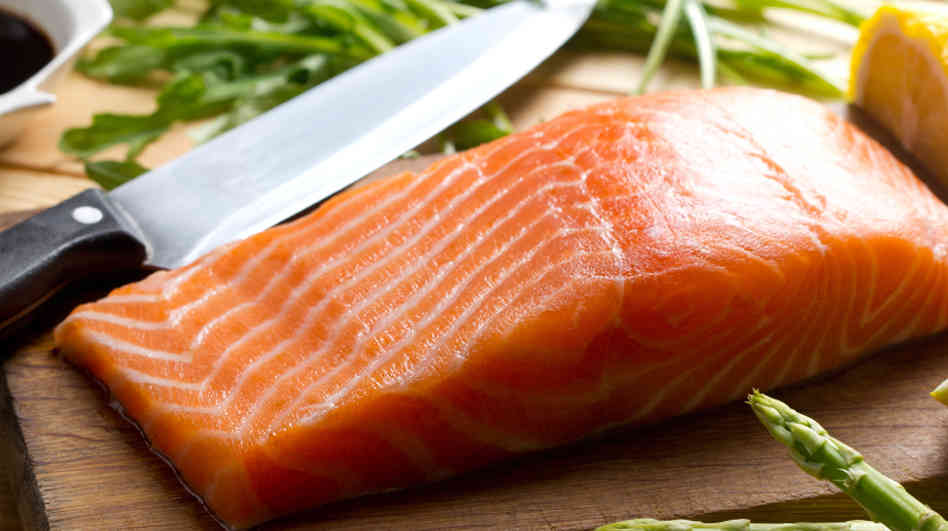
Omega-3 fatty acids are considered essential fatty acids: They are necessary for human health but the body can’t make them — you have to get them through food. Omega-3 fatty acids can be found in fish, such as salmon, tuna, and halibut, other seafood including algae and krill, some plants, and nut oils. Also known as polyunsaturated fatty acids (PUFAs), omega-3 fatty acids play a crucial role in brain function, as well as normal growth and development. They have also become popular because they may reduce the risk of heart disease. The American Heart Association recommends eating fish (particularly fatty fish such as mackerel, lake trout, herring, sardines, albacore tuna, and salmon) at least 2 times a week.

salmon_image

Research shows that omega-3 fatty acids reduce inflammation and may help lower risk of chronic diseases such as heart disease, cancer, and arthritis. Omega-3 fatty acids are highly concentrated in the brain and appear to be important for cognitive (brain memory and performance) and behavioral function. In fact, infants who do not get enough omega-3 fatty acids from their mothers during pregnancy are at risk for developing vision and nerve problems. Symptoms of omega-3 fatty acid deficiency include fatigue, poor memory, dry skin, heart problems, mood swings or depression, and poor circulation.

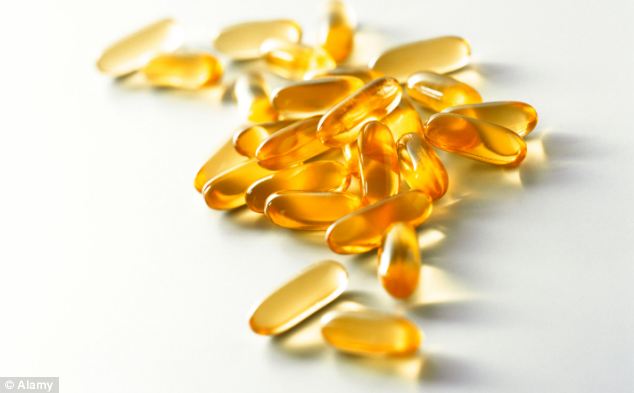
It is important to have the proper ratio of omega-3 and omega-6 (another essential fatty acid) in the diet. Omega-3 fatty acids help reduce inflammation, and most omega-6 fatty acids tend to promote inflammation. The typical American diet tends to contain 14 – 25 times more omega-6 fatty acids than omega-3 fatty acids, which many nutritionally oriented physicians consider to be way too high on the omega-6 side.

article-2365003-035D278C0000044D-571_634x393

The Mediterranean diet, on the other hand, has a healthier balance between omega-3 and omega-6 fatty acids. Many studies have shown that people who follow this diet are less likely to develop heart disease. The Mediterranean diet emphasizes foods rich in omega-3 fatty acids, including whole grains, fresh fruits and vegetables, fish, olive oil, garlic, as well as moderate wine consumption.

Source: Omega-3 fatty acids | University of Maryland Medical Center http://umm.edu/health/medical/altmed/supplement/omega3-fatty-acids#ixzz3G0iYLMPy
University of Maryland Medical Center

Goals, Goals, Goals!


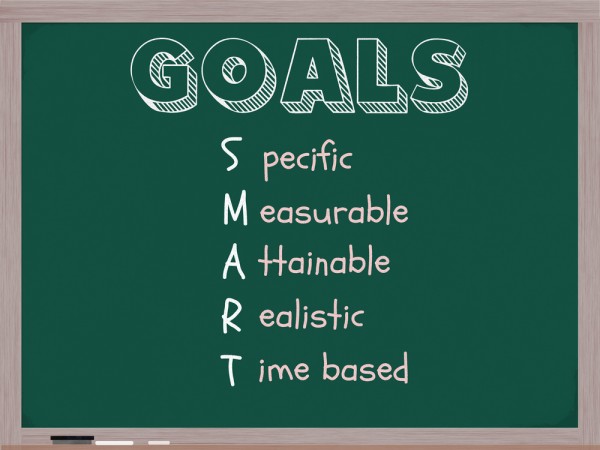
Whatever you try to achieve and strive for in your life particularly fitness related, try to follow the SMART way, stay focused, dedicated and you will reach those goals.

smart goals

Cycling for the British Heart Foundation

On Sunday 23rd March myself and a team from Basingstoke as well as 1000 others cycled London to Reading to raise money for the British Heart Foundation, a worthy cause and a great ride even the part where we got drenched by the hailstones!


Results based Personal Training

It s great when a client comes to you with a specific goal and achieves it! In January Richard came to me wanting to lose over a stone and get under the 14 stone mark, he signed up for PT sessions with me, came along to the Circuit Fit classes and followed my Nutritional Advice after I had analysed his diet from the Food Diary I gave him.
My aim was to help him achieve Fat Loss in a sustainable way, whilst maintaining and eventually increasing lean muscle while not putting him on a ‘diet’, he took everything on board and worked very hard!

Now after the final re-assessment this evening he has lost 1 stone 3lbs with a reduction on Body Fat of 6%! Most importantly he has reached his goal and is under 14 stone and now has the tools to carry on and achieve even more.
Well done Rich!

You Are What You Absorb!

Most people don’t realise just how important our Gut is to our health and wellbeing. 80% of our immune system is based there and Obesity studies now focus on the Gut as this is where our metabolism starts.

The Gut plays a role in mood, health and depression, and it has been stated that approximately 80% of serotonin is found in it.

Gut bacteria live on what we eat and certain foods spawn ‘bad’ bacteria, whereas others lead to beneficial anti-inflammatory bacteria in the gut, so eliminating foods that cause inflammation is a good step.

Do not underestimate the importance of Gut health!